


Yandex Go: Taxi Food Delivery
4.82.97K Reviews
App Specs
- Version
- 5.91.2
- Updated On
- License
- Free
- Downloads
- 100,000,000+
- Developer
- Mikromobilnost LLC Belgrade
- Categories
- Maps & Navigation
- Platform
- Android, iOS
Screenshots
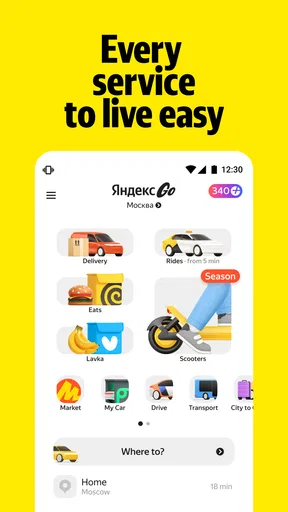

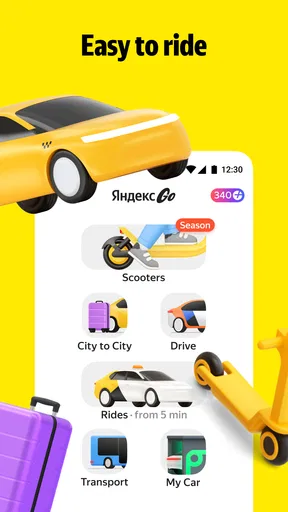

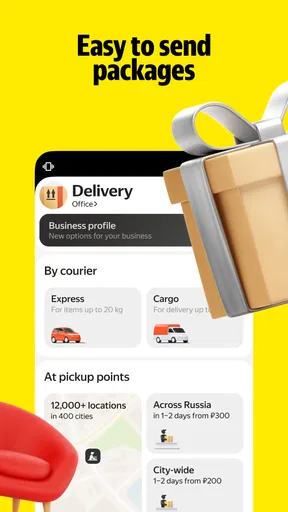
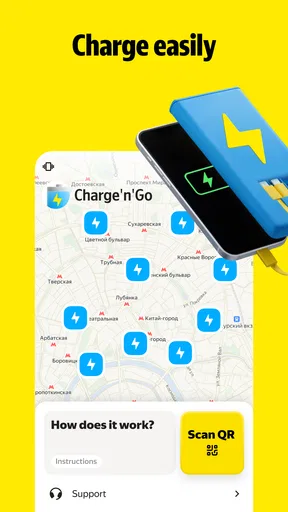

 Analysis by AppCompare
The main thing I weigh with a city-services app is not just what it can arrange, but how much depends on a steady connection at the exact moment I need it. With Yandex Go: Taxi Food Delivery, the ride, meal, and shopping options make one app useful across several errands, yet each step—checking choices, placing a request, and following progress—works best when my phone can reach the service. That makes it convenient in a connected routine, but worth thinking through before relying on it during a patchy commute.
When a weak connection gets in the way
For a ride, connectivity matters before I leave: I need to enter where I’m going and send the request, then keep an eye on the trip as plans unfold. If mobile data drops at the wrong point, the useful response is to pause somewhere safe and regain a connection rather than tapping repeatedly and risking duplicate requests. I treat the app as a way to arrange a journey, not as a substitute for knowing my destination or having a backup plan.
The same dependency applies to food and shopping. Browsing and submitting an order are different from having the order already arranged; I would not assume that a screen left open will continue updating after the connection disappears. If I’m about to enter a basement, crowded venue, or area with unreliable reception, I prefer to finish the important steps first and check that the request has actually gone through.
Designed for switching between city tasks
Its appeal is strongest when the day changes shape. I might need a ride to an appointment, then later want dinner delivered rather than making another trip. Keeping those needs in one place can save the small but annoying effort of switching between separate services. The trade-off is that an all-in-one app only helps where its relevant services are available to me; for a particular errand, I still need to judge whether the option shown suits the location and timing.
That combination is especially useful for someone who regularly moves around a city and makes practical, short-notice decisions. It is less compelling if I only need occasional directions or prefer to arrange transport and meals through different providers. A dedicated map app is usually the better tool for studying a route in advance, while a local restaurant’s own ordering channel may be a better fit when I already know exactly where I want to order from.
Small habits that make requests clearer
I get more value from keeping the request simple and checking the key details before sending it. For a ride, that means confirming the pickup point and destination rather than relying on a hurried tap while walking. For a meal or shopping order, I take a moment to review what I selected and where it should go. These checks do not require elaborate preparation; they reduce avoidable confusion when attention is divided.
One useful habit is to separate the decision from the movement: choose the service and enter the details while standing still, then start walking or getting ready once the request is clear. This is a practical advantage for anyone using the app on a busy street, where handling a phone while moving can make it easier to overlook a screen detail. I also avoid assuming that a submitted request can be changed freely; I check the current order or ride information before deciding what to do next.
Worth Reading Before You Choose

Baby Panda World Brings Quick Play to Modern Phones, but Its Game Library Feels Busy

ESPN’s Live Game View Makes Following Close Games Easier

QuizzLand Review: A Good Fit for Short Trivia Breaks, Not Every Player

Basketball Stars: Multiplayer Is Fast, but Can It Recover When Matches Go Wrong?

WEBTOON Turns Phone Updates Into a Better Reading Routine

Link to Windows Runs on Shared Habits, Not Social Feeds
All-in-One Convenience
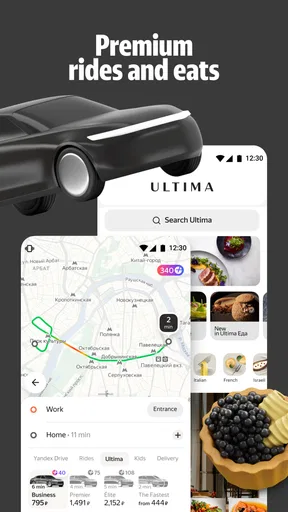
First things first, Yandex Go isn't just your average ride-hailing app. It’s like having a Swiss Army knife on your phone. You’ve got your taxi service, food delivery, and even grocery shopping all bundled into one neat package. It’s super handy having everything you need in one place, especially when you're living life in the fast lane.
Easy-to-Use Interface
The app’s interface is as smooth as butter. Seriously, navigating through it is a breeze. Whether you’re booking a ride or ordering a meal, everything’s just a tap away. You don’t have to be tech-savvy to find your way around, which is a huge plus. The design is intuitive, and everything is sorted neatly into categories. It’s like the app just gets you, you know?
Fast and Reliable Rides
When it comes to getting a ride, Yandex Go delivers. Literally. I’ve tried it a few times to get around the city, and each time, the car arrived quicker than expected. The drivers are professional and friendly, which makes the rides even more pleasant. Plus, the fare estimation feature is pretty accurate, so no surprises when it’s time to pay the bill.
Delicious Food at Your Doorstep
Now, let’s talk about food. Who doesn’t love a good meal delivered right to their doorstep? The app features a wide range of restaurants and cuisines to choose from. Whether you’re craving sushi, pizza, or a hearty burger, it’s got you covered. The delivery is prompt, and the food arrives hot and fresh. There’s something incredibly satisfying about enjoying restaurant-quality food in the comfort of your own home.
Groceries Made Easy
Running low on essentials? No worries. The grocery delivery option is a lifesaver. You can browse through an array of products and have them delivered to your door in no time. It’s perfect for those last-minute shopping needs or when you just don’t feel like braving the supermarket crowds.
Seamless Payment Options
Paying for services is straightforward. The app supports multiple payment methods, including credit cards and digital wallets, making transactions hassle-free. Plus, the app stores your payment information securely, so you won’t have to fumble around for your card every time you place an order.
Customer Service That Cares
Let’s face it, sometimes things don’t go as planned. But don’t worry, because Yandex Go has a responsive customer service team ready to assist. I had a minor issue with an order once, and their support team resolved it swiftly. It’s reassuring to know that they’ve got your back, no matter what.
Who benefits most from the combination
A realistic use case is a workday that runs late: I can arrange a ride rather than rushing across town, then use the delivery side when I get home too tired to shop or cook. The benefit is not that every task becomes effortless, but that I can handle different needs through one familiar starting point. For parents juggling errands, visitors unfamiliar with local streets, or city residents without a car, that convenience can matter more than a long list of options.
By contrast, I would not choose it as my only travel tool if my priority were detailed route planning, walking directions, or comparing public-transport journeys. A navigation-focused app is better suited to those jobs. Likewise, if I have a specific restaurant in mind and want to deal directly with it, its own ordering route may be simpler. Yandex Go makes most sense when flexibility across rides and deliveries is the point.
What to expect when plans change
If a request appears to stall, I first check whether the phone still has a connection and whether the app shows that the request was accepted. I avoid sending it again until I know what happened, especially for a ride or an order where duplicate requests would be inconvenient. If I need to change plans, I look at the active request and available in-app options rather than assuming a call or message will automatically update it.
For an urgent trip, I also think about the next step before I request a car: where I can wait, how I’ll recognize the pickup point, and whether I have enough time if the first plan changes. That is not a special trick so much as sensible use of a service that connects passengers, drivers, and live requests. A good interface can reduce friction, but it cannot remove traffic, poor reception, or the need to communicate a clear pickup location.
Mobile data, battery, and sensible expectations
Because the app is used for live services, I treat connectivity and battery as part of the plan. I avoid leaving a ride request until the last moment if I know I will soon lose reception, and I make sure my phone has enough charge for the journey and any messages I may need to check. I do not expect a delivery or ride to keep updating on my screen when the phone is offline; I wait until I have a connection to confirm the current status.
That does not mean it is demanding to use every day. The practical point is simply that a connected service is most dependable when the phone can communicate and I can respond if details change. If mobile data is limited, I can reserve browsing for when I need to compare choices, make the request deliberately, and avoid repeatedly refreshing just to see whether anything has changed.
What the broader app experience says
Yandex Go is a free Maps & Navigation app from Mikromobilnost LLC Belgrade. It has a 4.7 average from around 14 million ratings and more than 100 million installs, which suggests that many people have made it part of their routine. Its Everyone age rating also makes its intended audience broad, though actual use still depends on the services available where someone lives.
The app first appeared on October 25, 2011, and version 5.79.0 is the current release. I see that long-running presence as context rather than a promise that every ride or order will go perfectly. The most useful question for a new user is whether the combination matches their everyday needs: if rides and deliveries are both regular errands, one home for them is appealing; if not, a specialist app may be more focused.
Where the convenience has limits
Having rides, meals, and shopping together does not make them interchangeable. A taxi request is time-sensitive in a different way from browsing groceries, and a meal order needs a correct delivery destination just as a ride needs a precise pickup point. I find it helpful to approach each task on its own terms rather than assume that the same quick-tap workflow is ideal for all of them.
There is also a trade-off in putting several services into one app: fewer app switches, but more choices to navigate when I only want one thing. Someone who values a minimalist tool may prefer a dedicated ride app or a direct call to a shop. I would also avoid treating estimated timing or a displayed fare as a guarantee; they are useful for deciding, but real-world conditions can still affect the outcome.
Everyday convenience, with a connection attached
All in all, if you’re looking for an app that simplifies your life by combining transportation, food delivery, and grocery shopping, Yandex Go: Taxi Food Delivery might just be your new best friend. It’s convenient, reliable, and user-friendly, making it a must-have on your smartphone. So next time you’re in a pinch, give it a whirl and let it make your day a little easier.
My more measured recommendation is to try it for the task you actually need—perhaps one ride or a routine delivery—and see how well the available choices fit your area and habits. It is strongest as a practical city companion when the connection is stable and I want several kinds of errands in one place. If I need offline navigation, a specialist route planner, or a provider I can reach without mobile data, I would choose another option for that job. For connected, everyday convenience, though, Yandex Go earns a place on my phone.
Pros
- Wide availability in many cities.
- User-friendly interface for quick bookings.
- Competitive pricing options.
- Multiple payment methods supported.
- Real-time tracking of rides and deliveries.
Cons
- Limited customer support options.
- Inconsistent driver availability.
- Occasional app performance glitches.
- Surge pricing during peak hours.
- Limited customization in food orders.
FAQs for Yandex Go: Taxi Food Delivery
What services does Yandex Go offer?
Yandex Go is a versatile app that provides more than just taxi services. It also includes food delivery, package delivery, and car rental options. This integration makes it a convenient one-stop solution for various transportation and delivery needs, catering to both personal and business requirements.
How does Yandex Go ensure safety during rides?
Yandex Go prioritizes user safety by implementing several measures. Drivers undergo thorough background checks, and vehicles are regularly inspected. The app also offers real-time ride tracking, allowing users to share their trip details with trusted contacts. Additionally, users can rate drivers, ensuring accountability and quality service.
Is Yandex Go available in my city or region?
Yandex Go is continuously expanding its service areas. It is currently available in many cities across Europe and Asia. To check availability in your specific location, you can visit the app's website or download the app and enter your address to see if services are offered in your area.
What payment options does Yandex Go accept?
Yandex Go offers a range of payment options to accommodate different user preferences. You can pay for services using credit or debit cards, cash, or even digital wallets. The app provides a secure payment gateway, ensuring your financial information is protected at all times during transactions.
How does Yandex Go handle customer support?
Yandex Go provides robust customer support to address any issues users may encounter. Support is accessible through the app, offering options like live chat, email, or phone support. The app's interface also includes a comprehensive help section with FAQs and troubleshooting tips for common concerns.


